Turkish is spoken by more than eighty million people, and the country sits at a crossroads of trade, tourism, media and migration. Companies that want to reach Turkish customers, students who plan to study in Istanbul and families who deal with offices in both countries all depend on translation that is accurate, natural and delivered on time. A good agency does far more than swap words between two dictionaries.
Why Turkish Needs Specialist Translators
Turkish belongs to a different language family from English and builds meaning with suffixes that attach to word stems, so a single Turkish word can correspond to a whole English clause. Word order, politeness levels and the use of formal address also differ, and a translator who follows the source too closely will produce stiff, unnatural sentences.
Experienced translators restructure whole paragraphs to match how a native reader expects to read, while keeping every fact, number and nuance of the original text intact.
Documents Most Often Translated
The most common requests are civil documents such as birth, marriage and divorce certificates, diplomas and transcripts, criminal record extracts, powers of attorney, company registration papers, contracts, invoices and medical reports. Each type has its own vocabulary and layout conventions, and offices expect the translation to follow them.
Always send the complete document, including stamps, seals and handwritten notes, because a partial translation is often rejected and the work must then be repeated at your cost.
Sworn and Notarized Translation
Turkish authorities often accept translations made by sworn translators whose signature is confirmed by a notary. Foreign offices may ask for the opposite direction, with a certified English version of a Turkish record. The exact requirement depends on the receiving institution, so ask for it in writing before you order.
Plan extra time for the notary step and for any apostille or consular legalization that the destination country demands.
Media, News and Publishing
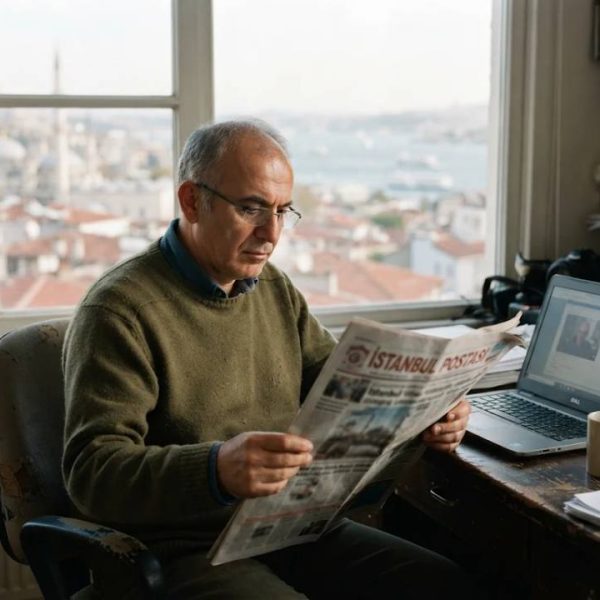
Newspapers, magazines, websites and broadcasters need fast, reliable translation of articles, interviews and press releases. Speed matters, but accuracy matters more, because a mistranslated quote or headline can spread widely within hours. Media translators must understand tone, political context and the difference between reporting and opinion.
For publishers, consistent names of people, places and institutions across articles is a basic mark of quality.
Business Translation and Localization
Companies selling into Turkey translate websites, product pages, packaging, terms of sale and customer support scripts. Prices, taxes, delivery rules and consumer protection notices must follow local requirements, and marketing messages should be adapted to local habits instead of translated literally.
Providers of english to turkish translation can also advise on how to choose names, slogans and tone so that your brand sounds natural to customers.
Legal, Immigration and Study Files
Applicants for residence, citizenship, work or study abroad must present translated records that match their passports exactly. Names with Turkish letters such as ı, ş, ğ and ç need consistent transliteration across every paper. Our guide to translation for visa and residence applications explains what officers usually check and which mistakes cause delays.
Order all documents from the same provider where possible, so that spelling remains identical.
Interpreting for Meetings and Appointments
Business negotiations, notary visits, medical appointments and court hearings often need interpreters. Consecutive interpreting suits small meetings, while simultaneous interpreting is used for conferences. Share the agenda, names and technical terms in advance, so the interpreter can prepare.
Speak at a measured pace and address the other party directly, not the interpreter.
Quality Control You Should Expect
A professional workflow includes translation by a native speaker of the target language, review by a second linguist, a check of numbers, names and formatting, and a final read for consistency. Ask the agency to explain each step and who carries it out.
Agencies should also have a clear policy for corrections if an office or client reports a problem after delivery.
Background Knowledge Helps
Understanding the history, culture and institutions of a country improves translation quality. The Britannica overview of Turkey offers a quick refresher on the context in which Turkish texts are written, and good translators keep reading widely in both languages.
Cultural references, idioms and humor need careful handling, since a literal rendering may confuse or offend readers.
Turnaround, Pricing and Confidentiality
Short certificates may be finished in a day, while long contracts take several days, depending on length and complexity. Prices are usually per word or per page, with surcharges for urgent work. Ask for a written quote that lists every item.
Personal and commercial documents are sensitive. Choose providers who sign confidentiality agreements and use secure file transfer.
How to Prepare Your Files
Provide sharp scans, editable files when available, reference material and the exact spelling of names. Tell the translator who will read the text and where it will be used. Clear information saves time and avoids errors.
If a document contains several languages, say which parts need translation.
Common Mistakes to Avoid
Typical problems include using unqualified friends or machine tools for official papers, ordering too late, ignoring office requirements and mixing different spellings of the same name. Another mistake is sending blurry scans.
A short checklist before ordering prevents most of these problems.
Final Thoughts
Reliable Turkish translation depends on skilled native linguists, clear communication and careful review. Choose an agency that explains its process, respects deadlines and protects your data.
With the right partner, documents and messages cross the language barrier without losing meaning.
Terminology Management for Long-Term Projects
Organizations that translate into Turkish every month benefit from shared glossaries, style guides and translation memories. These tools keep product names, legal terms and branding consistent across years and teams. Review them with a Turkish-speaking colleague at least once a year, and update them when products or regulations change.
A well-kept terminology base shortens turnaround and reduces cost for every new project.
Subtitles, Audio and Video Content
Turkish television series and online videos have large international audiences, and companies increasingly publish training and marketing videos in Turkish. Subtitles must respect reading speed and line limits, and voice-over needs scripts adapted to timing. Provide the final video and transcripts to the translator.
Test the result on a native speaker before publication.
Working With Turkish Partners and Suppliers
Business relationships in Turkey often rely on personal contact and hospitality. Translated emails, offers and contracts should be polite, clear and complete, and local advisers can help with customs and regulations.
Allow time for relationship building, and respond to messages promptly. Reliable communication builds trust faster than any formal agreement.
Choosing Between Turkish Dialects and Regional Style
Standard Istanbul Turkish is used in official documents, media and education, so it is the safe choice for almost every written project. Regional vocabulary and spelling habits matter more in marketing and creative writing, where a slogan may sound natural in one city and slightly unusual in another. Tell the translator who will read the text, whether the audience is young or older and whether the tone should be formal, friendly or technical, and ask them to flag any expression that might not work everywhere.
For legal and administrative texts, always follow the exact terminology used by the receiving institution, even when a more elegant alternative exists.
Planning Multilingual Publications
Newspapers and websites that publish in Turkish and other languages benefit from a shared editorial calendar, so that translators receive stories early and have time to check names, places and quotations. Agree on a style sheet that covers headline length, date formats, spelling of foreign names and the treatment of quotes. When breaking news forces fast translation, assign a second editor to review the most visible parts of each article, such as headlines and captions, before publication.
This small habit prevents most of the embarrassing errors that spread quickly online.